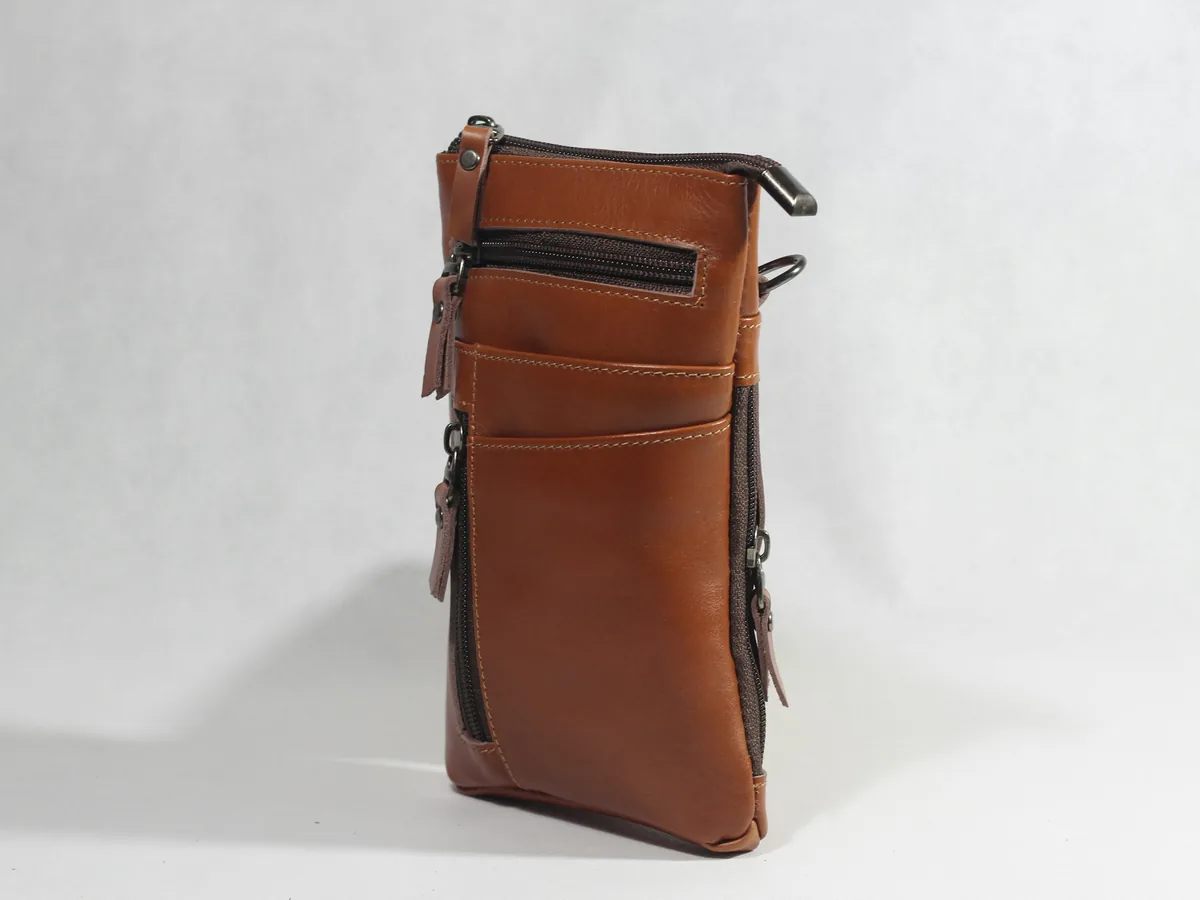
Leather bags
Develop a bag around how it will be carried. Define the silhouette, internal organization, closure and handle construction before choosing the final leather.
Leather manufacturing · Mexico
Choose a product family, then define the details that affect construction, materials and the order.
Develop a bag around how it will be carried. Define the silhouette, internal organization, closure and handle construction before choosing the final leather.
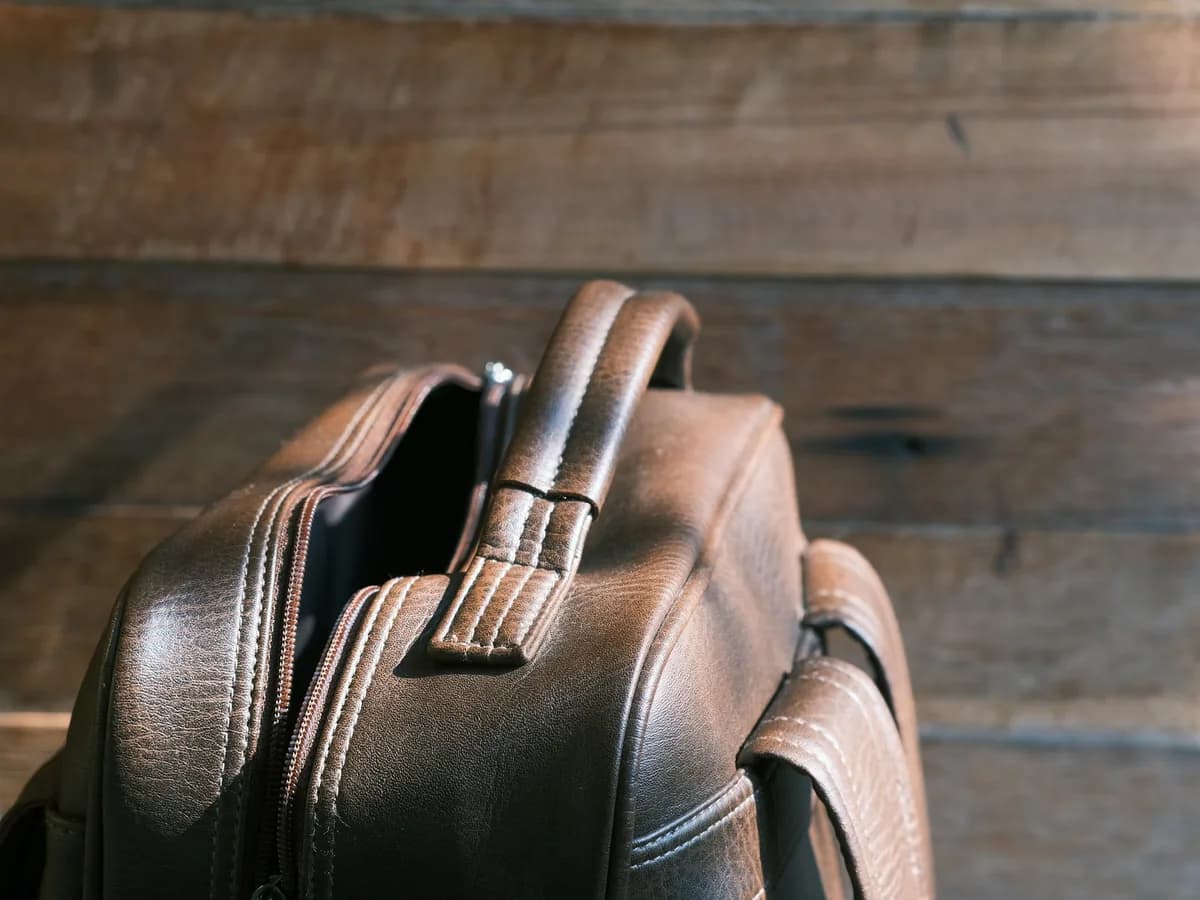
Start with the load and the way the backpack will be worn. Specify capacity, opening, compartments and strap construction so the sample can be reviewed for its intended use.
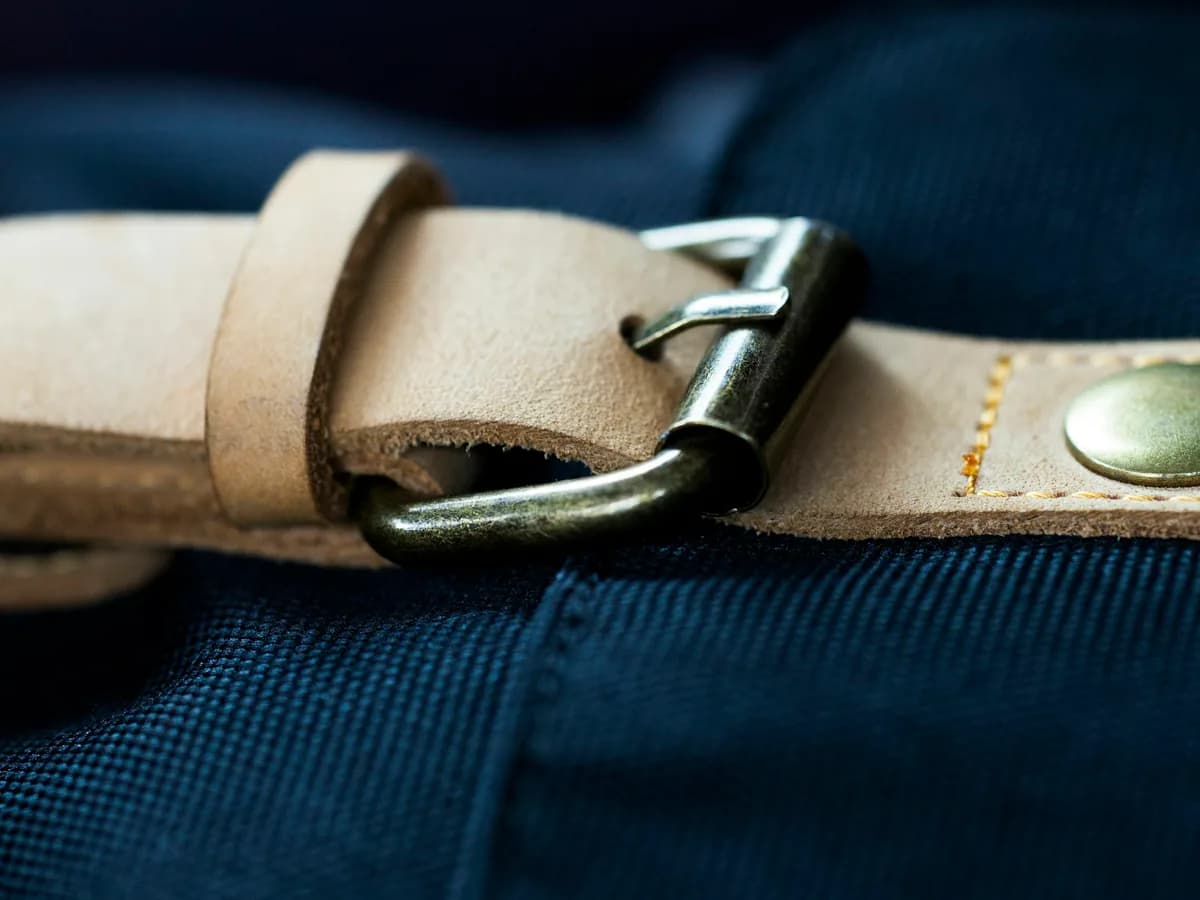
Define the belt from the strap to the buckle. Width, thickness, size grading and edge treatment should work together, with the measurement method agreed before sampling.
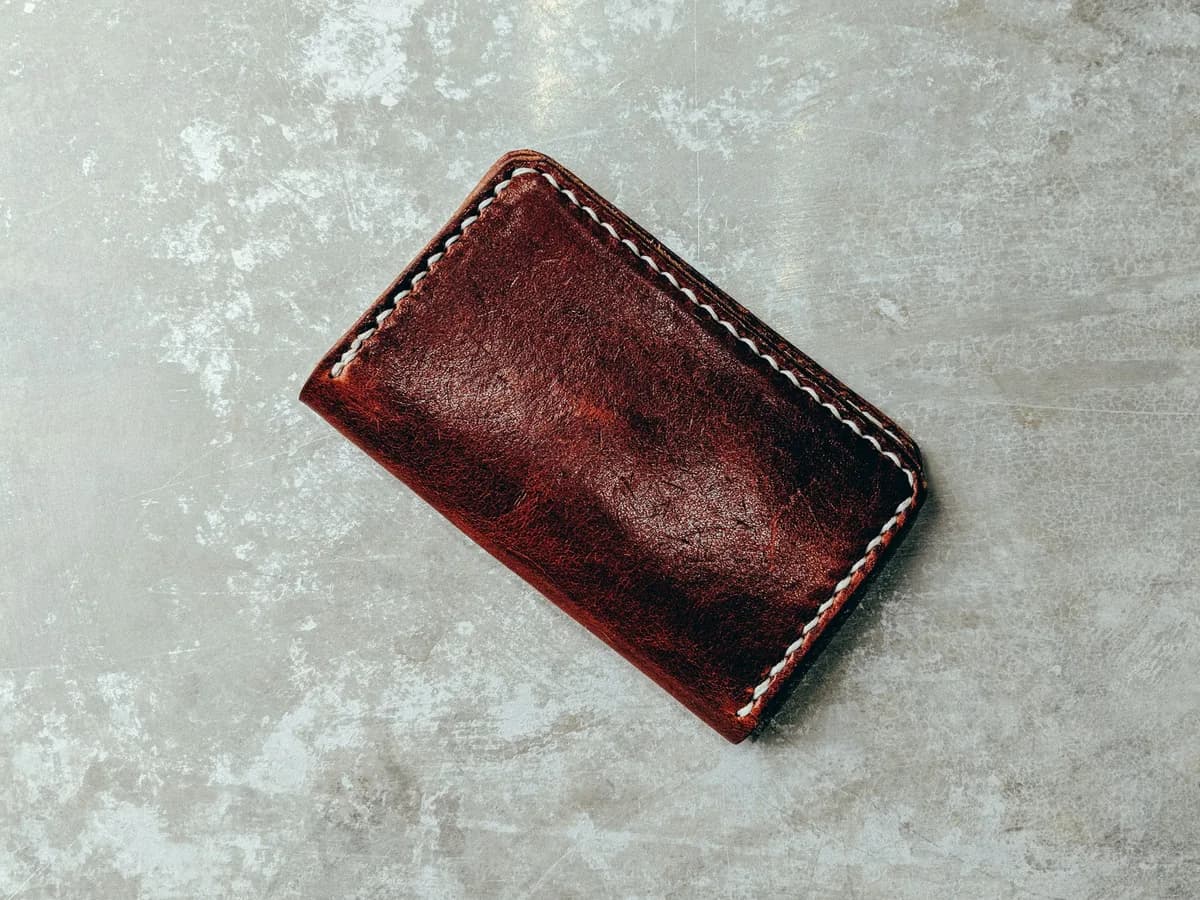
Small leather goods leave little room for vague specifications. Define the closed size, card layout, currency fit and finished thickness before approving the sample.
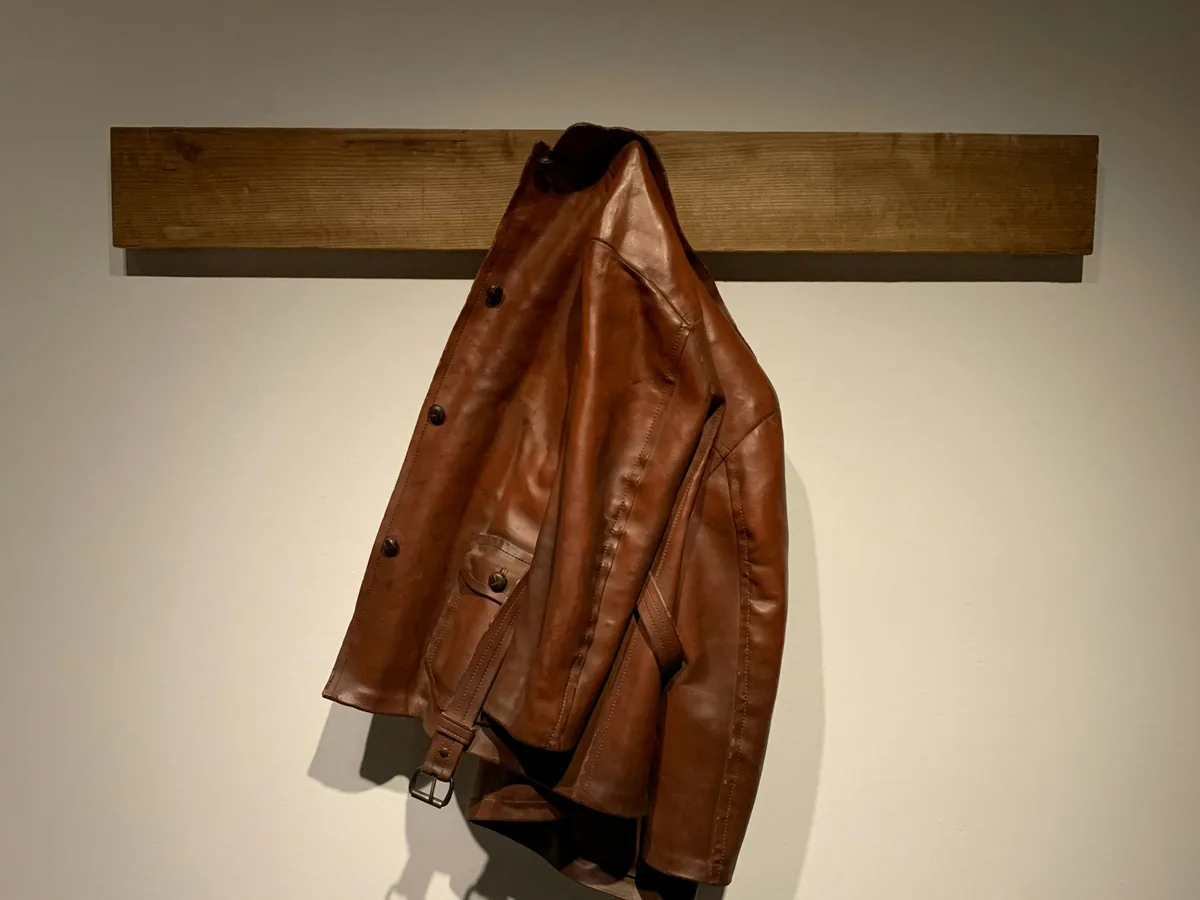
A jacket starts with fit. Share the intended silhouette, size chart and leather hand feel, then use sampling to resolve movement, lining and hardware placement.
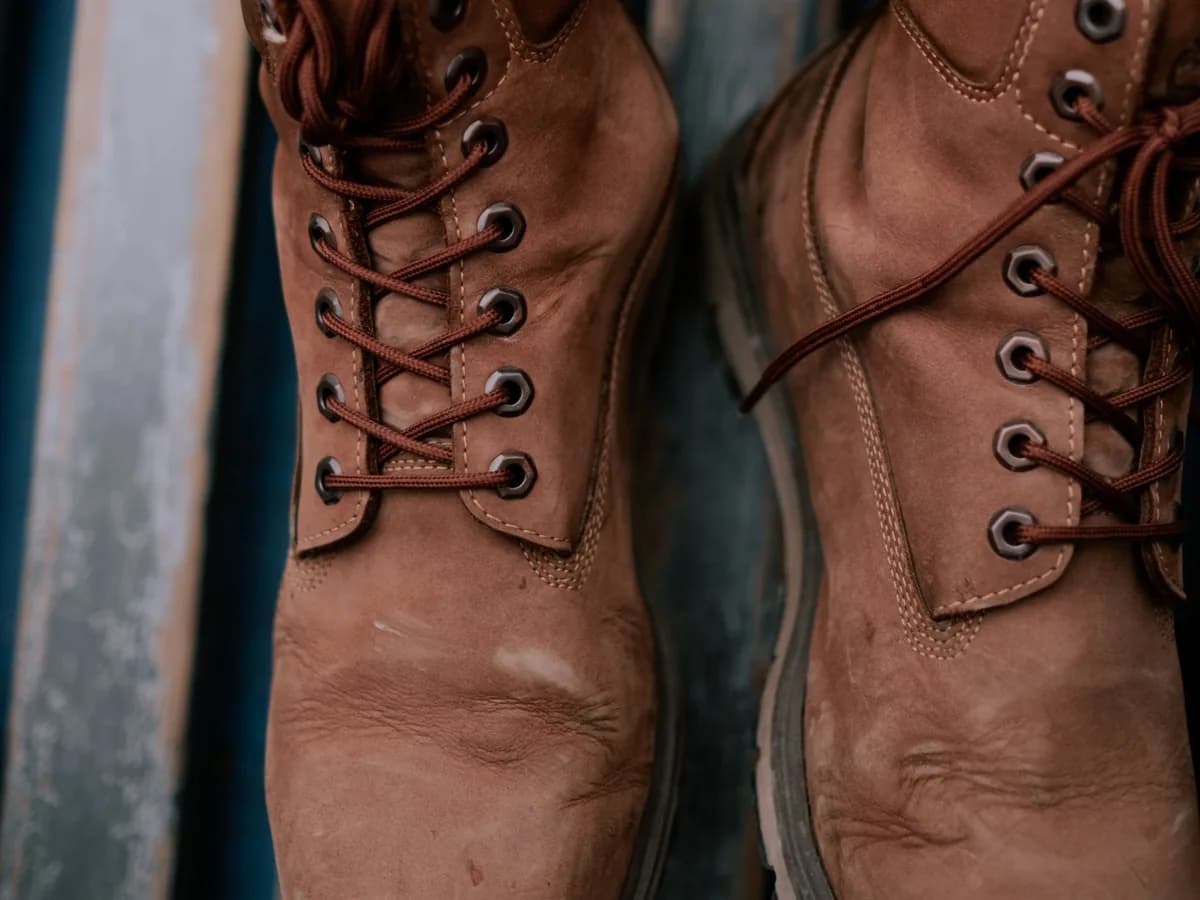
Define the boot as a complete construction. Last, upper, lining, sole and size system need to be reviewed together, with performance requirements stated in the brief.
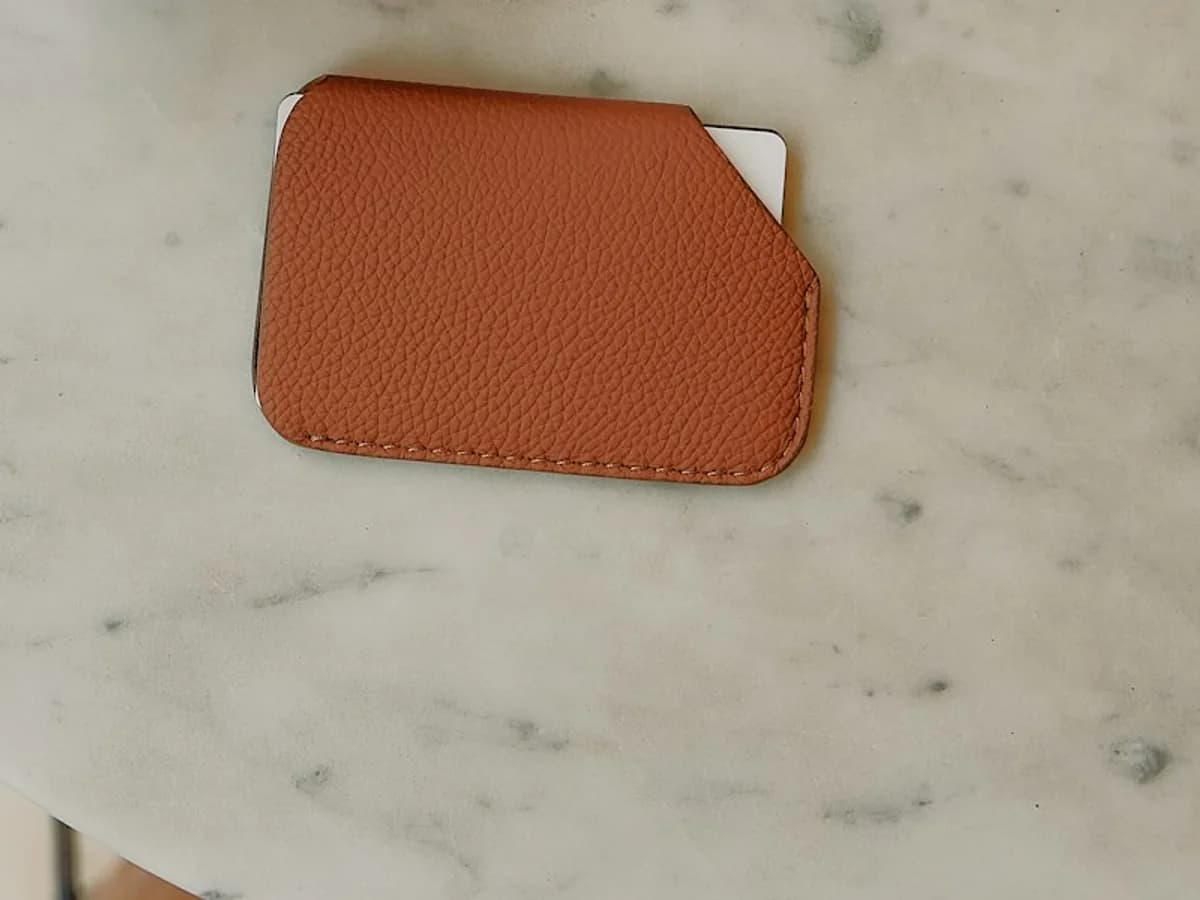
Turn a small product into a clear specification. Define its function, dimensions, attachment points and branding before choosing materials and finishes.

Plan a branded gift around the recipient and the occasion. Define the product, logo treatment, packaging and delivery requirements together.
A USMCA origin certification requires nine minimum data elements. Preferential treatment depends on the product meeting its applicable origin rule; confirm classification, qualification and entry requirements with your customs broker.
Share the product, quantity and destination. A useful quote starts with a clear brief.
Request a quote